Alternative
England
The Cure
Auf Tour


Neuestes Release


Top-50-Platzierungen in den globalen Charts von ShazamAlle Songs und Kollaborationen von The Cure, die es in die Top 50 der globalen Charts von Shazam geschafft haben
SONG-INFO![Titel-Artwork für den Titel A Forest von The Cure]() The Cure erreichte mit „A Forest“ Platz 30 der globalen Charts von Shazam und verbrachte 8 Tage in den Top 50.
The Cure erreichte mit „A Forest“ Platz 30 der globalen Charts von Shazam und verbrachte 8 Tage in den Top 50.
1Top-50-Einträge

8Tage in den Top 50
SONG
SPITZENPOSITIONTAGE IN DEN TOP 50TOP-50-DEBÜT
Die höchste Platzierung, die ein Song in den globalen Charts von Shazam erreicht hat.
Die Gesamtzahl der Tage, an denen ein Song in den Top 50 der globalen Charts von Shazam war. Diese Tage waren möglicherweise nicht aufeinander folgend.
Das Datum, an dem ein Song zum ersten Mal in die Top 50 der globalen Charts von Shazam einstieg.

The Cure
#3085. Juni 2024
„A Forest“ von The Cure erreichte Platz 30 in den globalen Charts von Shazam, wo der Song insgesamt 8 Tag(e) in den Top 50 verbrachte.
Album
Seventeen SecondsVeröffentlicht:
1980Gesamtzahl der Shazams
3 Mio.
Tage in den Top 50
8Die Gesamtzahl der Tage, an denen ein Song in den Top 50 der globalen Charts von Shazam war. Diese Tage waren möglicherweise nicht aufeinander folgend.
Top-50-Debüt
5. Juni 2024„A Forest“ von The Cure erreichte Platz 30 in den globalen Charts von Shazam, wo der Song insgesamt 8 Tag(e) in den Top 50 verbrachte.
Album
Seventeen SecondsVeröffentlicht:
1980Gesamtzahl der Shazams
3 Mio.
Tage in den Top 50
8Die Gesamtzahl der Tage, an denen ein Song in den Top 50 der globalen Charts von Shazam war. Diese Tage waren möglicherweise nicht aufeinander folgend.
Top-50-Debüt
5. Juni 2024Beliebte Musikvideos von The Cure


Künstler-Playlists


Über The Cure

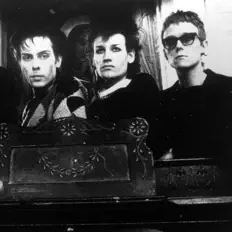
Few artists have made bleakness sound quite as exquisite as Robert Smith and his cohort—and fewer still have pivoted so easily from the depths of dejection to such weightless, cotton-candied bliss. If all you knew were songs like “Friday I’m in Love,” you might never guess that The Cure had once been kohl-eyed denizens of the shadowiest bat caves in the UK. After channeling guitar-forward post-punk on 1979’s Three Imaginary Boys, they reinvented themselves as gothic spelunkers with Seventeen Seconds, Faith, and Pornography—an increasingly claustrophobic trilogy, stretching from 1980 until 1982, that invented progressively darker shades of black with every release.
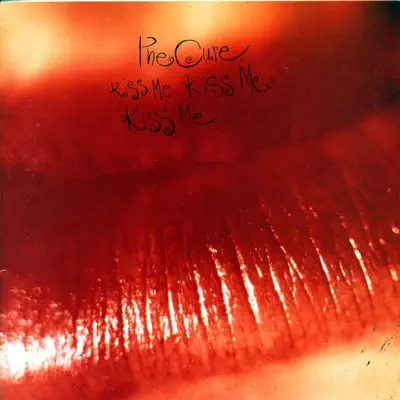
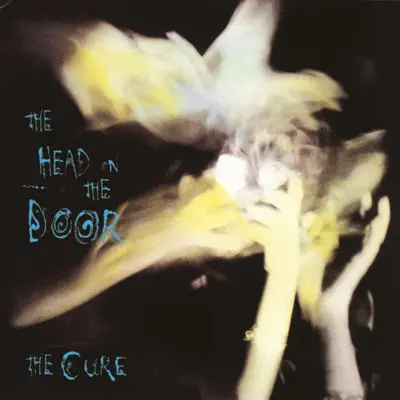
Having perfected the art of despair, The Cure pivoted to pop, after their own fashion. They explored both gloomy psychedelia and jangling acoustic guitars on 1985’s The Head on the Door, winning a new wave of stateside fans with “In Between Days” and “Close to Me” and blowing open the boundaries of what was becoming known as alternative rock. By 1987’s Kiss Me, Kiss Me, Kiss Me and “Just Like Heaven,” they sounded genuinely, deliriously happy—something inconceivable just a few years before. Yet there was still plenty of angst palpable in their glowering anthems and wall-of-sound production, as well as Smith’s deeply vulnerable, often wounded yelp. The band’s opposing tendencies came to a head on 1989’s Disintegration, The Cure’s masterpiece: The highs (like “Lovesong”) had never sounded more unburdened, nor the lows (“The Same Deep Water as You”) more hopeless. Their widescreen sound filled stadiums; it also influenced a generation of emo bands intent upon fusing visceral sonic power with fathomless psychological depth. In the decades since, The Cure has kept tending their patch of turf, where the intermingling of storm clouds and sunshine yields a singular harvest: intense, expressive, and deliciously dramatic.
Having perfected the art of despair, The Cure pivoted to pop, after their own fashion. They explored both gloomy psychedelia and jangling acoustic guitars on 1985’s The Head on the Door, winning a new wave of stateside fans with “In Between Days” and “Close to Me” and blowing open the boundaries of what was becoming known as alternative rock. By 1987’s Kiss Me, Kiss Me, Kiss Me and “Just Like Heaven,” they sounded genuinely, deliriously happy—something inconceivable just a few years before. Yet there was still plenty of angst palpable in their glowering anthems and wall-of-sound production, as well as Smith’s deeply vulnerable, often wounded yelp. The band’s opposing tendencies came to a head on 1989’s Disintegration, The Cure’s masterpiece: The highs (like “Lovesong”) had never sounded more unburdened, nor the lows (“The Same Deep Water as You”) more hopeless. Their widescreen sound filled stadiums; it also influenced a generation of emo bands intent upon fusing visceral sonic power with fathomless psychological depth. In the decades since, The Cure has kept tending their patch of turf, where the intermingling of storm clouds and sunshine yields a singular harvest: intense, expressive, and deliciously dramatic.
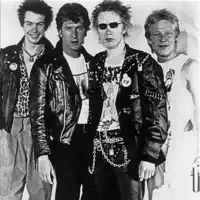
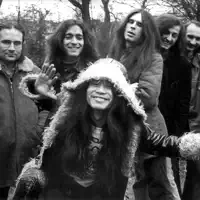
Musikalische EinflüsseZu den musikalischen Einflüssen von The Cure gehören David Bowie, The Velvet Underground, Roxy Music und andere.


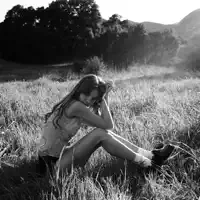
Beeinflusst von The CureThe Cure hat die Musik von Amy Allen, Olivia Rodrigo, Halsey und anderen beeinflusst.




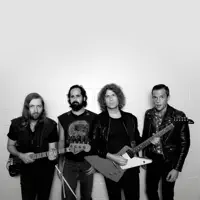
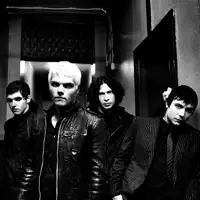

Ähnlich wie: The Cure
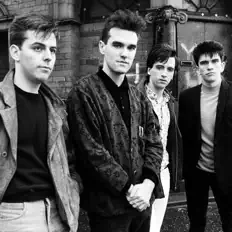
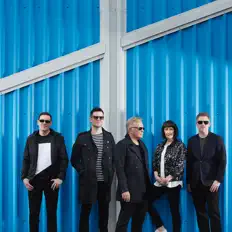
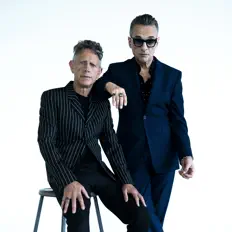
Entdecke mehr Musik und Künstler, die The Cure ähnlich sind, wie The Smiths, New Order, Depeche Mode